Recovery for women rarely follows a straight line. Biology, social roles, and lived experience shape how alcohol use develops and how recovery holds. When programs account for those realities, outcomes improve. After two decades working with women in outpatient clinics and residential centers, I have seen the same pattern: when care is built around the particulars of women’s lives, women stay longer, engage more deeply, and build support that lasts.
Why gender-specific care changes outcomes
Women metabolize alcohol differently from men. Higher body fat percentage and lower total body water mean blood alcohol concentrations often rise faster at the same dose. Hormonal shifts across the month can alter cravings and tolerance. Depression and anxiety show up more frequently in women with alcohol use disorder, sometimes predating drinking by years. Add in caregiving responsibilities, financial pressures, intimate partner violence, and stigma, and you have a different clinical landscape.
This is why dedicated alcohol rehab for women, or programs with strong women’s tracks, make sense. The clinical focus shifts, the pace adjusts, and the supports are shaped to fit real life. You see practical touches, like childcare coordination or family sessions that include co-parents and grandparents. You also see deeper changes: trauma informed therapy as standard practice, reproductive health integrated into care, and discharge plans that account for safety, housing, and the school calendar.
Patterns of use that deserve attention
Women often report using alcohol to regulate mood or to sleep. The pattern might start with a glass of wine on stressful nights and escalate during times of loss, postpartum shifts, or career strain. For many, the tipping point is not legal trouble. It is a quiet crisis: missed mornings, persistent shame, health scares. I once worked with a nurse who had never had a DUI, never missed a shift, but was taking two refills of vodka nightly and waking with numb fingers. Her path into alcohol rehabilitation didn’t begin when someone intervened. It began when she felt her hands and realized she could not feel them.
Medical complications show up earlier than some expect. Women develop alcohol related liver disease after shorter durations of heavy use, and risks around breast cancer rise even with moderate drinking. Bone density loss, arrhythmias, and sleep disorders are common. A nurse practitioner who understands these gendered risks can translate them into concrete decisions: how to taper safely, when to test, which medications fit, what to watch in the first three months.
The hidden barriers women face
Many women avoid treatment because they fear losing custody of their children. Others juggle shift work and caregiving with little room for appointments. Transportation, privacy in small communities, and concerns about being labeled a “bad mother” or “unreliable employee” keep people quiet.
Effective alcohol rehab for women reduces those barriers. Some programs offer evening groups and telehealth options for therapy and medical monitoring. A few coordinate with child welfare to set clear, documented milestones that support family reunification rather than derail it. Good programs write letters for employers, outline safe return to work plans, and normalize recovery supports in professional settings.
The first step: assessment that sees the whole person
A strong intake sets the tone. It should include a detailed drinking history, psychiatric screening, trauma screening that does not demand full disclosure on day one, reproductive history, medications, sleep, nutrition, and social supports. The best intakes feel like a conversation, not an interrogation, and they ask about safety early. A quiet question like “Do you have a safe place to stay tonight?” is sometimes the most important one.
Expect lab work that goes beyond liver enzymes. Ferritin, vitamin D, B12 and folate matter when appetite has been off and absorption is altered. For women on hormonal contraception or hormone therapy, clarifying interactions with alcohol and with medications used for cravings or mood helps avoid surprises.
Medical detox with women in mind
Detox is not the same as treatment, but it is sometimes necessary. Women often arrive at detox more malnourished and with more electrolyte imbalance than they realize. Nausea and insomnia get shrugged off at home until tremor or heart pounding brings them in. Good detox units start slow. Fluids, thiamine, magnesium, multivitamins, and gentle nutrition come first. Medication to manage withdrawal is chosen based on liver function, fall risk, and prior response.
If a woman is pregnant or might be pregnant, the plan changes. Fetal monitoring, OB collaboration, and careful medication selection are nonnegotiable. I have sat in case conferences where a midwife and addiction physician mapped a taper that preserved maternal stability and reduced fetal stress. That kind of teamwork protects two patients at once.
Trauma informed therapy as standard, not a specialty
Among women in alcohol rehabilitation, trauma is common. The details differ, the impact is shared: hypervigilance, nightmares, emotional numbing, difficulty trusting. Pushing someone to recount trauma too early often backfires. Programs that do this well focus first on safety, stabilization, and skills: grounding techniques, sleep hygiene, distress tolerance. Only once a woman has tools to stay within her window of tolerance do they move to deeper processing through approaches like EMDR or cognitive processing therapy.
Group therapy needs careful facilitation. Mixed gender groups can be helpful for practicing boundaries, but many women report they cannot relax enough to do the hard work there. A cadence that alternates women-only groups with selective mixed groups tends to work best. Over time, as sleep and nutrition improve, capacity for deeper work grows.
Parenting, pregnancy, and the pressure to be perfect
Mothers often carry an extra layer of shame. They compare themselves to an impossible standard and avoid support groups where they fear judgment. Good clinicians cut through that by naming the pressures and setting realistic goals. If a toddler is up at night, sleep recovery will be slow. If a co-parent is unsupportive, therapy includes boundary setting and legal resources. If a woman is pregnant, care plans must address prenatal appointments, nutrition, and birth planning that includes recovery supports.
I remember a mother of three who felt she had to “earn” daycare by being sober first. We flipped the plan. We secured daytime care through a community voucher, which freed her to attend morning groups and nap in the afternoon. Within six weeks, her cravings decreased, and she was feeding her kids dinner without reaching for a bottle at five. Small structural changes produced large clinical gains.
Co-occurring disorders: treat the whole board, not just one square
Anxiety, depression, PTSD, ADHD, eating disorders, and thyroid issues can all pair with alcohol use. Leaving any one untreated invites relapse. Collaborative care is essential. For example, if untreated ADHD drives impulsive evening drinking, medication and coaching can reduce that trigger. If an eating disorder shapes body image and meal patterns, nutrition therapy and gentle exercise planning stabilize mood swings. SSRIs, SNRIs, buspirone, or mood stabilizers may help, but timing matters. Introducing or adjusting psychiatric medications in early sobriety requires close follow up since sleep and appetite change quickly.
Medication assisted treatment, tailored for women
Three FDA approved medications are commonly used for alcohol use disorder: naltrexone, acamprosate, and disulfiram. Each has pros and cons for women.
Naltrexone, oral or monthly injectable, reduces rewarding effects and craving. It can blunt the relief some women feel from a glass of wine at day’s end, which helps. Watch for interactions with opioid pain meds and consider plans for labor, surgery, or injury. Some women report increased fatigue at first, which usually fades within two weeks.
Acamprosate supports glutamate balance, often improving sleep continuity. It requires dosing three times daily. For women who already juggle pills for thyroid, blood pressure, or mood, adherence can be a challenge. Setting alarms and pairing doses with meals helps.
Disulfiram creates a deterrent effect by causing sickness if alcohol is consumed. It can be effective for highly motivated patients with strong structure at home. It is less useful for women exposed to unpredictable social drinking or abusive partners who might sabotage them.
Off label agents like topiramate or gabapentin sometimes help, but they should be used with a clear plan and regular review. Shared decision making is critical. A 10 minute conversation about side effects and practicalities often determines whether a medication gets used consistently.
Safety first: intimate partner violence and recovery
Some women cannot stay sober because they are not safe. An abusive partner may pressure them to drink or undermine therapy appointments. Programs should screen for violence at intake and at regular intervals, ideally in private. When risk is identified, safety planning can include emergency contacts, code words with friends, copies of documents stored outside the home, and connections to local advocacy groups. I have accompanied patients to court to obtain protective orders and have worked with shelters that accept mothers with infants. Recovery is fragile without safety.
Food, sleep, and the simple routines that hold recovery together
The nervous system heals slowly. For the first eight weeks, sleep is often patchy even without alcohol. Aim for consistent wake time, gentle morning light, and caffeine cutoffs by noon. Magnesium glycinate at bedtime helps some. Short, restorative naps can be a bridge, but long daytime sleep deepens night-time insomnia.
Nutrition can make or break early recovery. Small, frequent meals work better than two large ones. Protein and complex carbohydrates prevent blood sugar dips that masquerade as cravings. Add a prenatal or standard multivitamin, folate, and thiamine for the first month regardless of pregnancy status. Hydration is not glamorous, but it is medicine here.
Body image issues deserve space. Weight may rise when alcohol stops and calories shift. Naming this early reduces panic. Gentle movement, like walking or yoga twice a week, lifts mood and supports sleep without triggering perfectionism.
Community and culture: who sits in the circle matters
Women often do better in peer spaces that mirror their lives. Veterans, LGBTQ+ women, immigrant women, women of faith, and women from rural communities carry distinct stories. Culturally responsive care goes beyond translation. It respects caregiving norms, holidays, family structures, and attitudes toward alcohol. In a rural program I supported, harvest season meant we moved groups to early mornings and checked in by phone in the evenings. Attendance rose. In an urban clinic serving Caribbean families, we discussed rum in cultural rituals and planned abstinent participation so women could attend weddings without white knuckle fear.
Choosing a program: a brief checklist
- Ask whether the program offers women-only groups and trauma informed therapy as a standard track, not a special add-on. Confirm coordination with medical providers for reproductive health, psychiatric care, and medications for alcohol use disorder. Look for practical supports like childcare coordination, transportation help, and evening or telehealth appointments. Request outcome data, even if modest: completion rates, 30 and 90 day follow up, return-to-use support. Walk the space if possible. Psychological safety shows in small things, from how staff greet you to whether nursing is present after hours.
Residential, partial hospitalization, or outpatient: what fits which life
Residential care creates distance from triggers and offers 24 hour support. It is often right for women with unstable housing, unsafe relationships, or severe withdrawal risk. Partial hospitalization programs provide six hours a day, five days a week, which can be more realistic for mothers or women with supportive homes. Intensive outpatient builds around work and family commitments. The right level can change over time. Some step down quickly. Others cycle between intensities across a year, each time strengthening a different muscle.
What realistic timelines look like
Alcohol recovery for women rarely matches the 28 day myth. Sleep stabilizes over six to ten weeks. Mood steadies over three to six months as the brain recalibrates. Hormonal cycles may shift during early sobriety, and cravings can spike premenstrually. Naming that pattern helps women plan. Many of my patients feel their strongest footing between months nine and fifteen, when social networks have shifted and new routines feel normal instead of forced.
Relapse risk is not linear. High risk windows include the first week after discharge, the first major family gathering, and the first fight with a partner in sobriety. Vaccinating against those moments with role play and concrete scripts saves lives.
Measuring progress beyond abstinence
Abstinence is one marker, not the only one. Others include improved sleep efficiency, reduced panic episodes, normalized liver enzymes, fewer missed days of work, and reengagement in valued roles. I encourage women to track two or three metrics that matter to them. A teacher once picked “I do homework with my son three nights a week” as a primary goal. Her motivation rose when she saw that number move, even before lab values shifted.
Cost, insurance, and making the math work
Coverage varies widely. Employer plans may cover intensive outpatient fully and residential partially. State programs can fill gaps, but waiting lists exist. Ask about sliding scales, scholarships, and bundled rates for therapy plus medication management. Transportation vouchers and childcare support are less common than they should be, but they exist in many counties if someone is willing to make the calls. A social worker who knows the local map is worth gold.
If money is tight, consider a staged plan: brief medical stabilization, then intensive outpatient with telehealth, then community supports knitted together with a recovery coach. I have seen women make profound changes on modest budgets when the plan matched their reality.
Aftercare that respects women’s lives
The discharge plan should be specific. Vague instructions like “attend meetings” rarely stick. Identify exact groups by day and time, set up the first psychiatry follow up before discharge, and share crisis contacts. Many women benefit from flexible peer supports. Some prefer 12 step meetings. Others favor secular groups or faith-based communities. Online meeting formats expand access during cold and flu season or tight childcare weeks.
Family involvement is powerful when done thoughtfully. Loved ones need education on triggers, communication, and trust rebuilding. I often run a short workshop: how to avoid policing, how to offer accountability without surveillance, and how to talk about alcohol in the home. Agreements help: no alcohol stored openly, invitations to events with a clear option to decline, and shared calendars for appointments and breaks.
A practical relapse prevention plan
- Identify top three triggers, then match each with two concrete coping strategies. For example, for evening loneliness, schedule two calls per week and a 7 pm walk. Set early warning signs: missed meals, sleep under five hours, skipped therapy. If two occur in a week, activate support. Keep medications accessible and routine visible. Pill organizers and digital reminders reduce last-minute gaps. Build a “bad day” kit: nonalcoholic beverages you actually enjoy, a comfort meal plan, a show or book that calms you, a name to call. Preplan exits from risky events. Drive yourself, set a time limit, and have a rehearsed line to leave without drama.
When the past tries to write the future
Shame tells many women they have already failed. Recovery answers with small, consistent wins. A woman in her sixties once told me she thought she was too old to change. We started with breakfast. She committed to eggs or oatmeal every morning and one phone call before noon. By month three, she was walking daily and sleeping six hours. Her relationship with her daughter thawed. Alcohol fell away as other parts of life filled in. The story did not need a dramatic turn, just steady pages.
Where professional judgment makes the difference
Textbooks cannot account for the texture of a Tuesday afternoon in a real household. A child is sick. The car won’t start. A partner is silent at dinner. Clinicians who listen for those details can swap a group session for a quick phone call, move a dose of medication earlier in the day, or write a letter that gets a utility extension. That flexibility is not soft. It is strategic. It keeps women in care.
How programs can track and improve
No program is perfect. The best ones watch their data and adjust. If women drop out after week two, maybe childcare falls through on Wednesdays. If cravings spike around day 21, maybe nutrition education needs to move earlier. If medication adherence is low, maybe pharmacy pickup is hard. I have seen simple fixes, like coordinating refills to one date, raise adherence by 20 percent. Quality improvement here is not abstract. It is a calendar and a phone number.
A note on alcohol free seasons and harm reduction
Not every woman is ready for lifelong abstinence at first contact. Some commit to a 90 day alcohol rehabilitation near me alcohol free period with structured support, then reassess. Others reduce quantity and frequency while building skills. Harm reduction approaches can be a bridge or, for some, a long-term path that still lowers risks. The key is honesty, monitoring, and safety. If liver disease is advanced, abstinence carries more weight. If safety is at risk with any drinking, the plan tightens. Judgment comes from medical facts and lived context, not moralizing.
What success looks like
Success often feels ordinary. Dinner with laughter. A meeting that ends on time. A new habit of leaving events at nine. Lab values that drift back into range. A text thread that starts “Hard day” and ends “I’m home and in pajamas.” For women, especially those who have carried families and jobs on thin reserves, success is sobriety that does not demand all their attention. It is a life where alcohol is no longer the center, and the center is something they choose.
Alcohol rehabilitation for women works best when it sees the full map: bodies that metabolize differently, minds that carry both strength and scars, families that depend on them, and systems that have not always made space. When care adapts to those truths, women do not just stop drinking. They rebuild. And that rebuild holds.
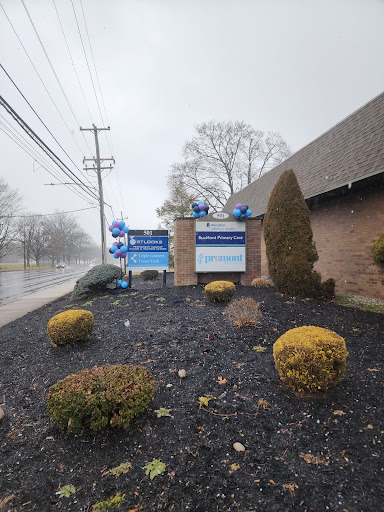
Promont Wellness
Address: 501 Street Rd, Suite 100, Southampton, PA 18966Phone: 215-392-4443
Website: https://promontwellness.com/
Hours:
Monday: Open 24 hours
Tuesday: Open 24 hours
Wednesday: Open 24 hours
Thursday: Open 24 hours
Friday: Open 24 hours
Saturday: Open 24 hours
Sunday: Open 24 hours
Open-location code (plus code): 5XG2+VV Southampton, Upper Southampton Township, PA
Map/listing URL: https://maps.app.goo.gl/Bp8NRhkmTf9gHJEc7
Socials:
https://www.facebook.com/PromontWellness/
https://www.instagram.com/promontwellness/
Promont Wellness provides outpatient mental health and addiction treatment in Southampton, serving individuals who need structured support while continuing with daily life responsibilities.
The center offers multiple levels of care, including partial hospitalization, intensive outpatient treatment, outpatient services, aftercare planning, and virtual treatment options for eligible clients.
Clients in Southampton and the surrounding Bucks County area can access support for mental health concerns, substance use disorders, and co-occurring conditions in one setting.
Promont Wellness emphasizes individualized treatment planning, trauma-informed care, and a client-focused approach designed to support long-term recovery and day-to-day stability.
The practice serves Southampton as well as nearby communities across Bucks County and other parts of southeastern Pennsylvania, making it a practical option for local and regional care access.
People looking for structured outpatient support can contact the center directly at 215-392-4443 or visit https://promontwellness.com/ to learn more about admissions and treatment options.
For residents comparing providers in the area, the business also maintains a public Google Business Profile link that can help with directions and listing visibility before a first visit.
Promont Wellness is positioned as a local option for people who want evidence-based behavioral health care in a professional office setting in Southampton.
Popular Questions About Promont Wellness
What does Promont Wellness do?
Promont Wellness is an outpatient behavioral health center in Southampton, Pennsylvania that provides mental health and substance use treatment, including support for co-occurring conditions.
What levels of care are available at Promont Wellness?
The center offers partial hospitalization (PHP), intensive outpatient programming (IOP), outpatient treatment, aftercare planning, and virtual treatment options.
Does Promont Wellness provide mental health treatment?
Yes. The practice publishes mental health treatment information for concerns such as anxiety, depression, bipolar disorder, schizophrenia, trauma, and PTSD.
Does Promont Wellness help with addiction treatment?
Yes. The website describes support for alcohol and drug addiction treatment along with recovery-focused outpatient services.
What therapies are mentioned on the website?
Promont Wellness lists therapy options such as cognitive behavioral therapy, dialectical behavior therapy, individual therapy, group therapy, family therapy, psychotherapy, relapse prevention, and TMS therapy.
Where is Promont Wellness located?
Promont Wellness is located at 501 Street Rd, Suite 100, Southampton, PA 18966.
What are the published business hours?
The contact page lists Monday through Friday from 8:00 AM to 9:00 PM, with Saturday and Sunday closed.
Who may find Promont Wellness useful?
People looking for outpatient mental health care, addiction treatment, dual-diagnosis support, or step-down programming after a higher level of care may find the center relevant.
Does Promont Wellness serve areas beyond Southampton?
Yes. The website includes service-area pages for Bucks County communities and nearby parts of Pennsylvania and New Jersey.
How can I contact Promont Wellness?
Phone: 215-392-4443
Facebook: https://www.facebook.com/PromontWellness/
Instagram: https://www.instagram.com/promontwellness/
Website: https://promontwellness.com/
Landmarks Near Southampton, PA
Tamanend Park – A well-known Upper Southampton park at 1255 Second Street Pike with trails, open space, and community amenities that many local residents recognize immediately.Second Street Pike – One of the main commercial corridors in Southampton and a practical reference point for local driving directions and nearby businesses.
Street Road – A major east-west route through the area and one of the clearest roadway references for visitors heading to appointments in Southampton.
Old School Meetinghouse – A historic Southampton landmark associated with the community’s early history and often used as a local point of reference.
Churchville Park – A large nearby park area often recognized by residents in the broader Southampton and Bucks County area.
Northampton Municipal Park – Another familiar recreational landmark in the surrounding area that can help orient visitors traveling from nearby neighborhoods.
Southampton Shopping Center – A recognizable retail area along the local commercial corridor that many residents use as a simple directional reference.
Hampton Square Shopping Center – A nearby shopping destination that can help users identify the broader Southampton business district.
Upper Southampton Township municipal and recreation areas – Useful local references for users searching for services in the township rather than by ZIP code alone.
Bucks County service area references – For patients traveling from neighboring communities, Southampton serves as a convenient treatment hub within the larger Bucks County region.
If you are searching for outpatient mental health or addiction treatment near these Southampton landmarks, call 215-392-4443 or visit https://promontwellness.com/ for current program information and directions.